




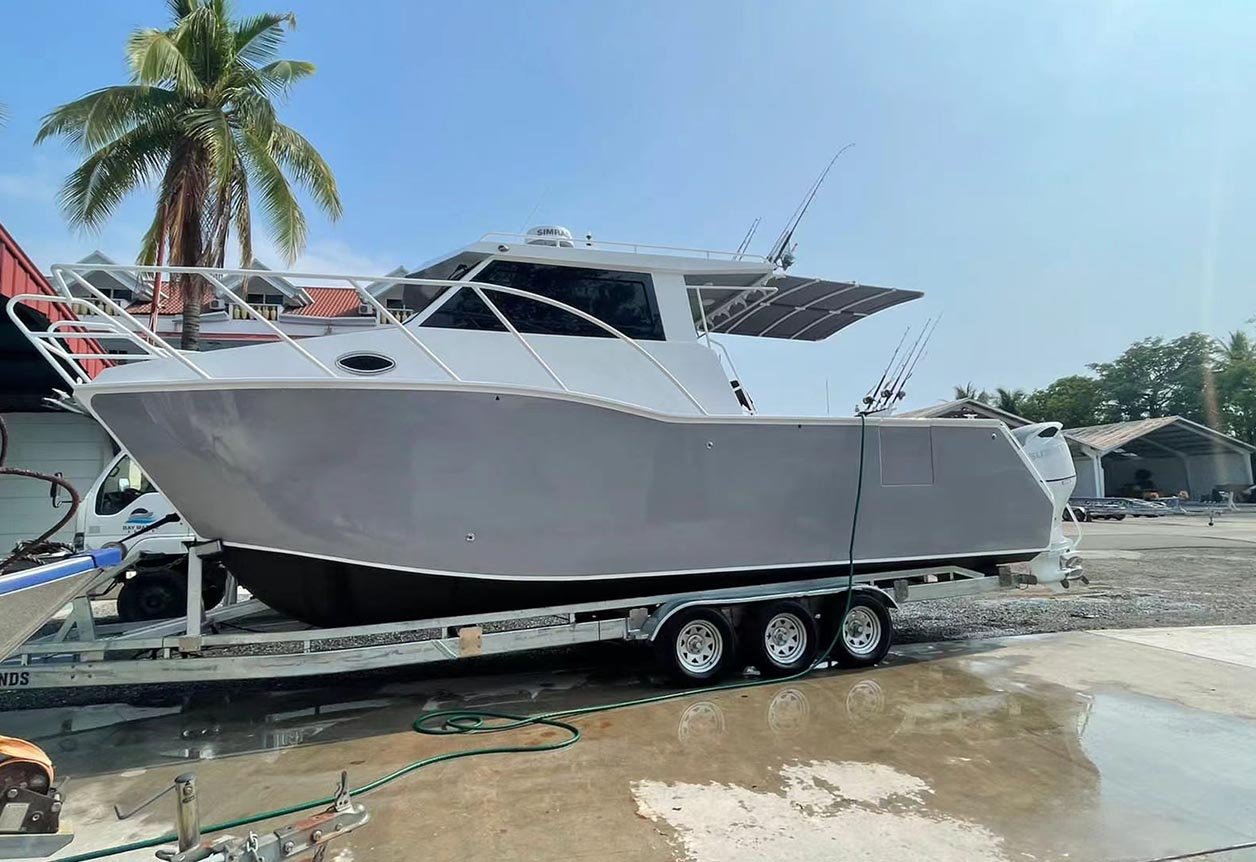
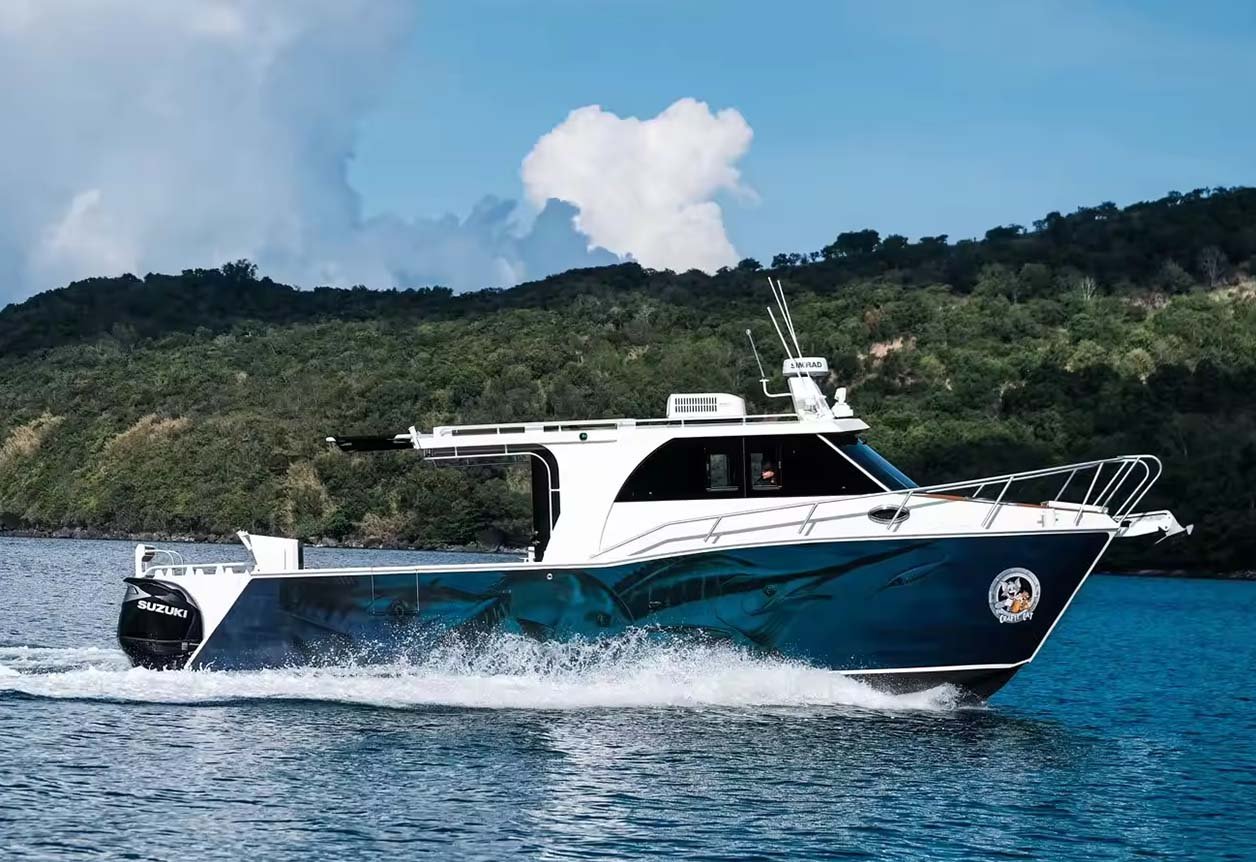
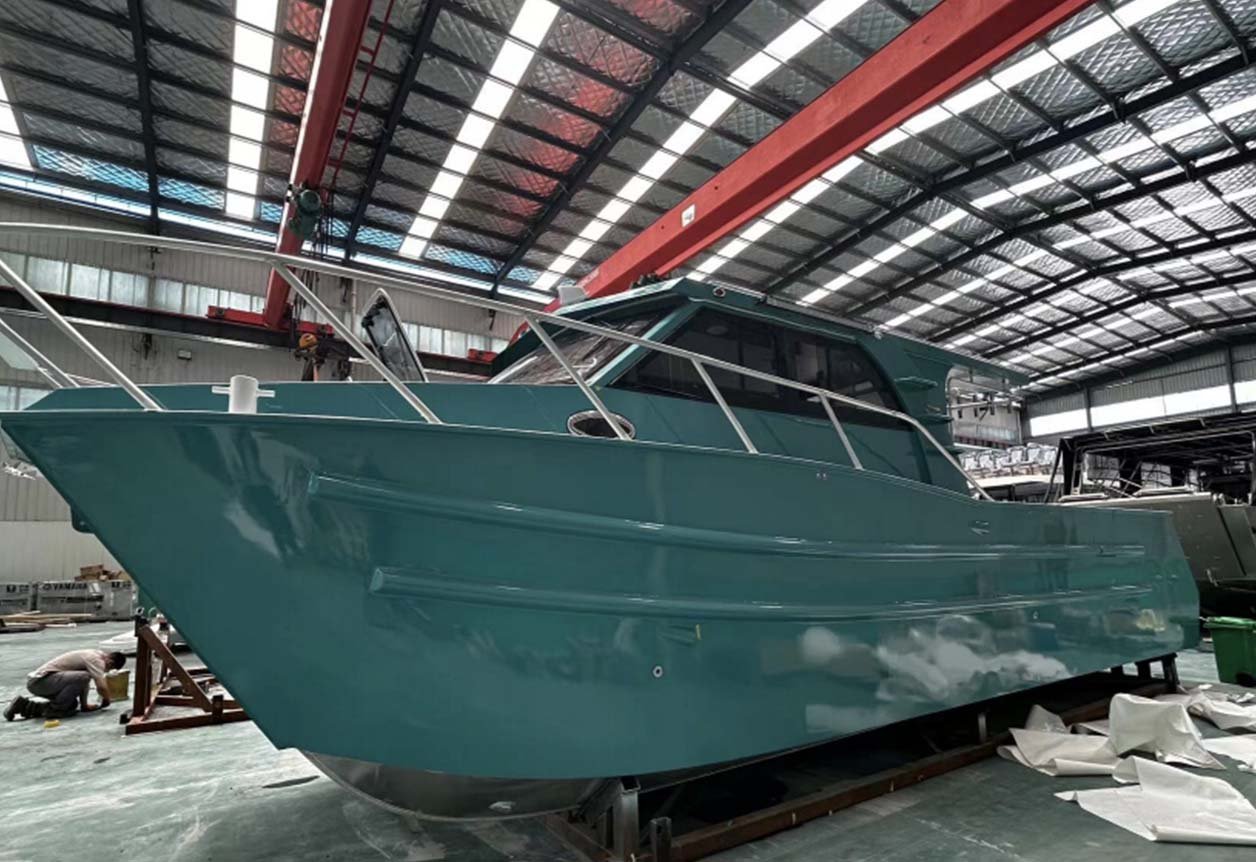
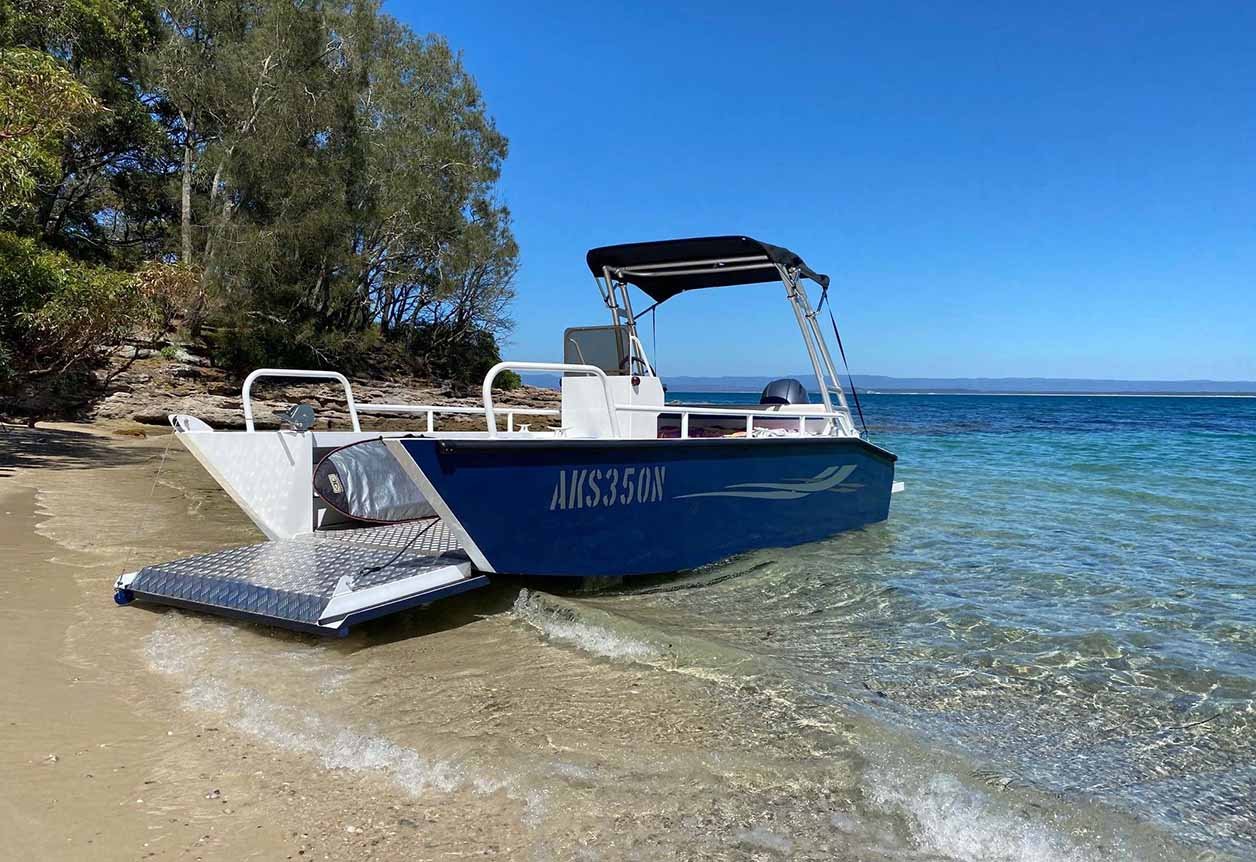


Here is a step-by-step selection guide:
⚓️ Step 1: Choose the Right Anchor Roller
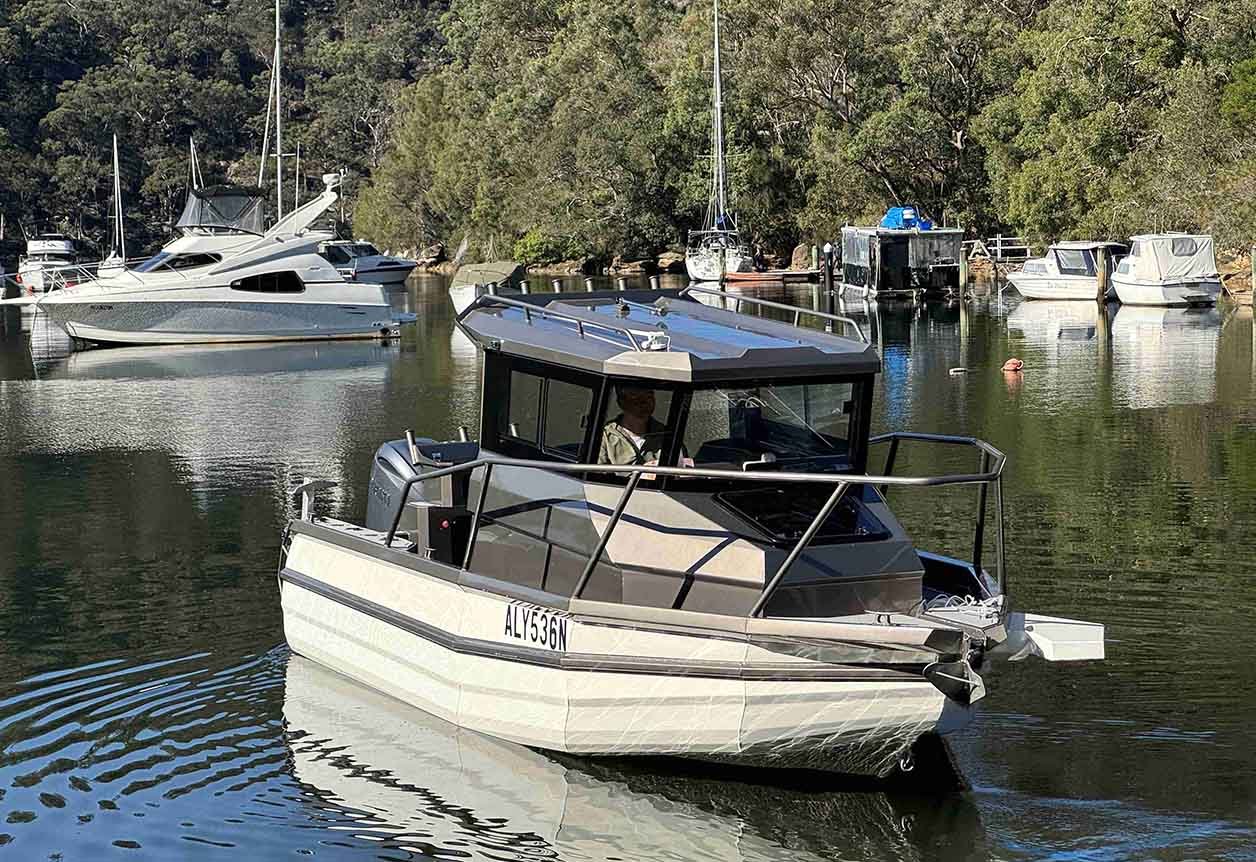
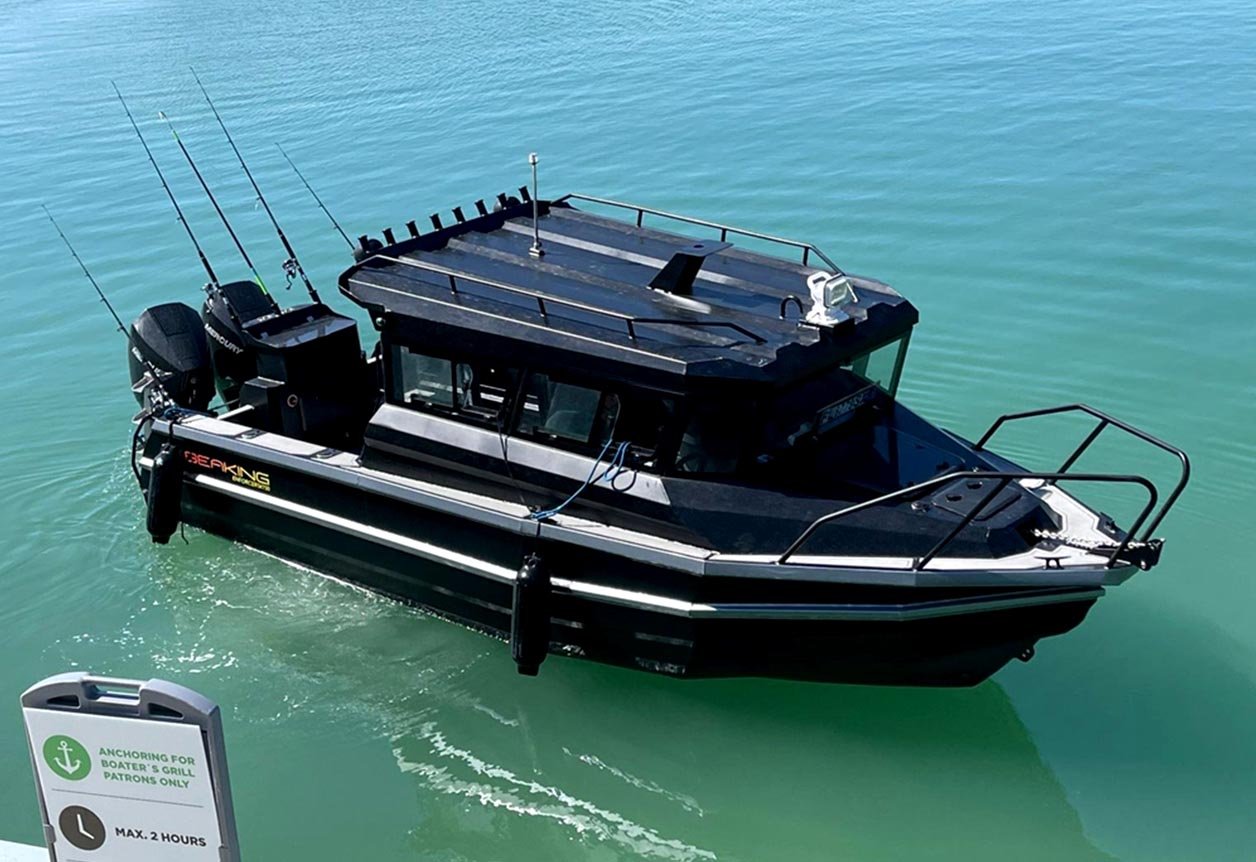
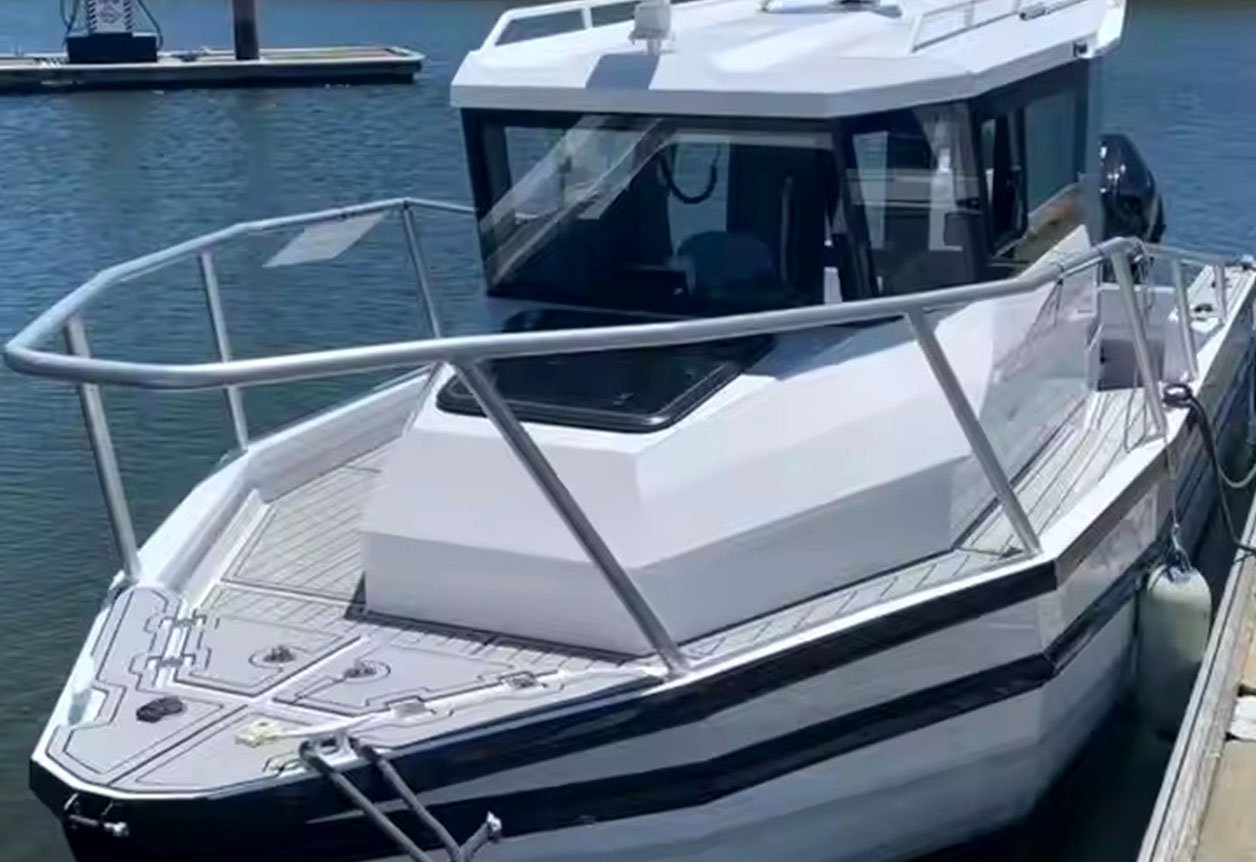
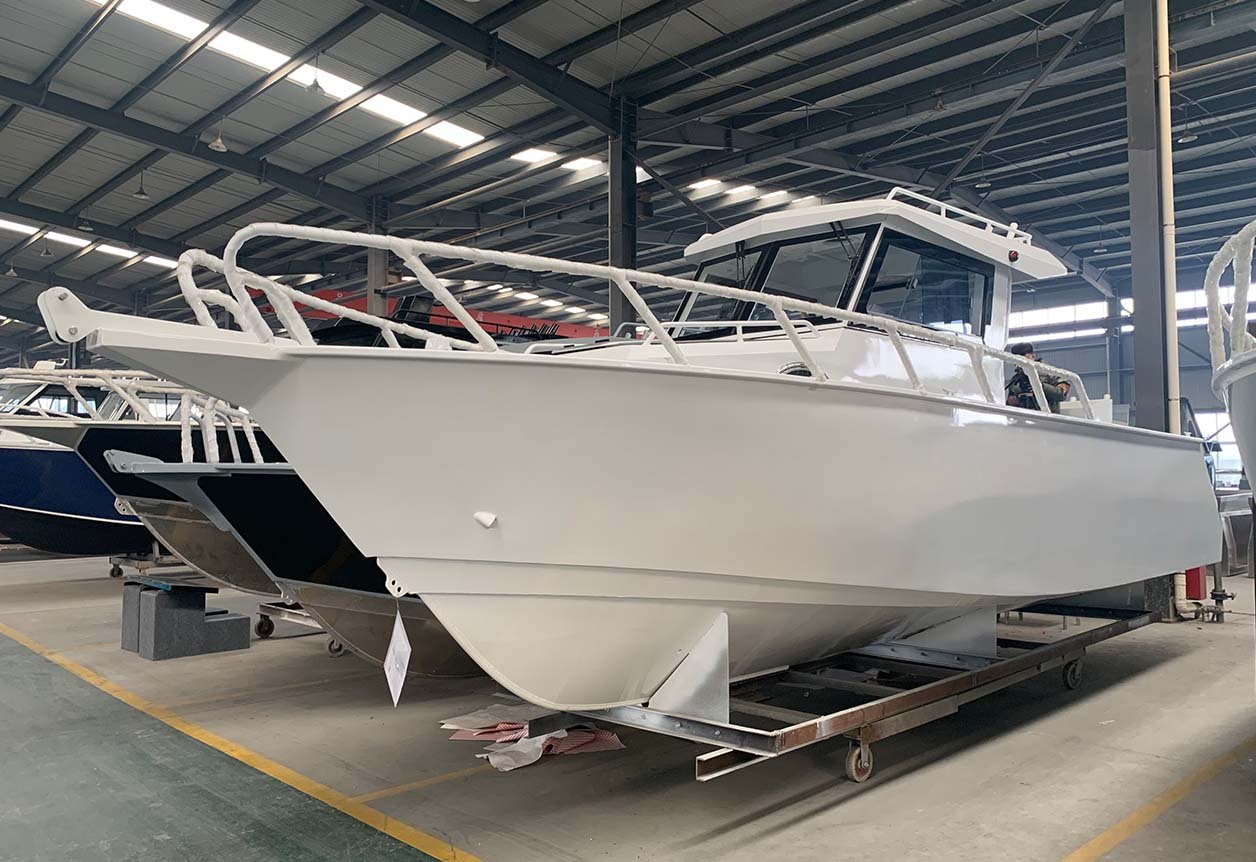
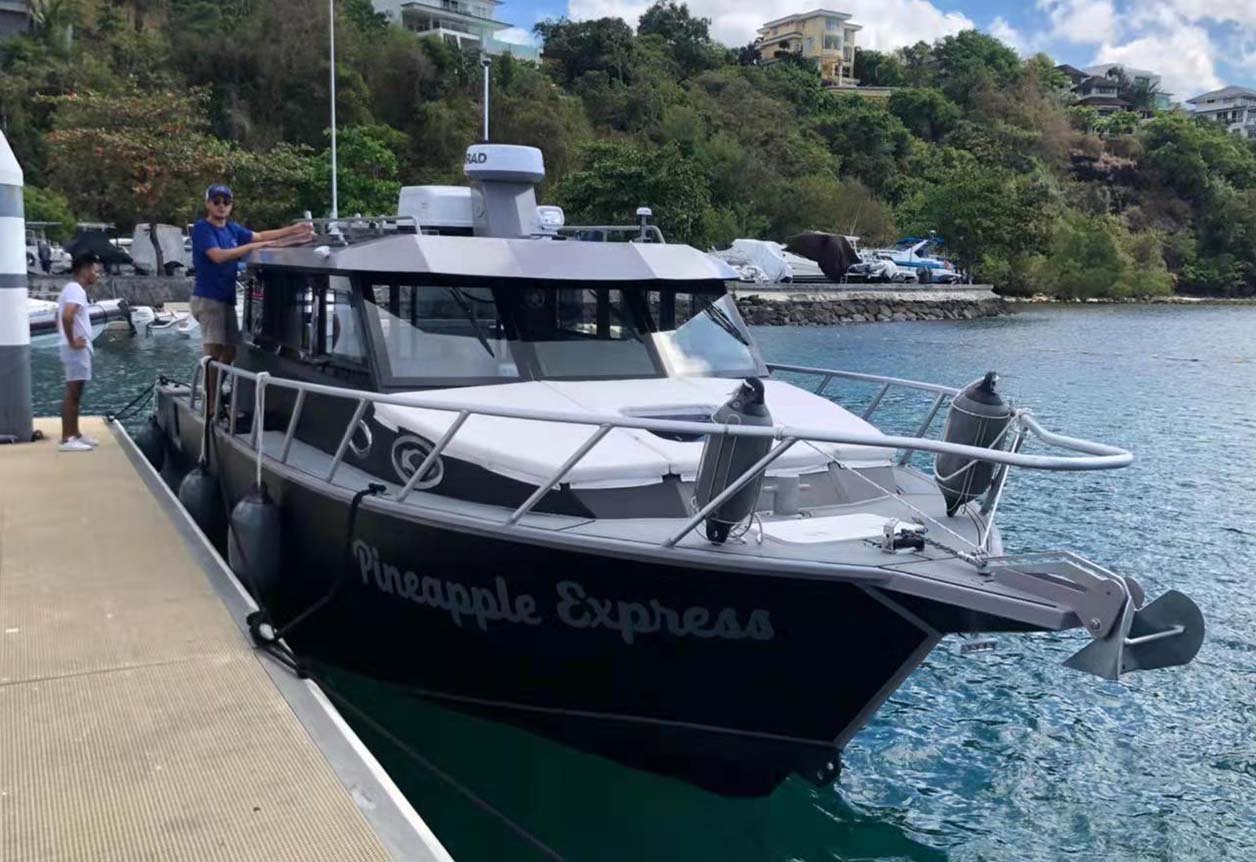
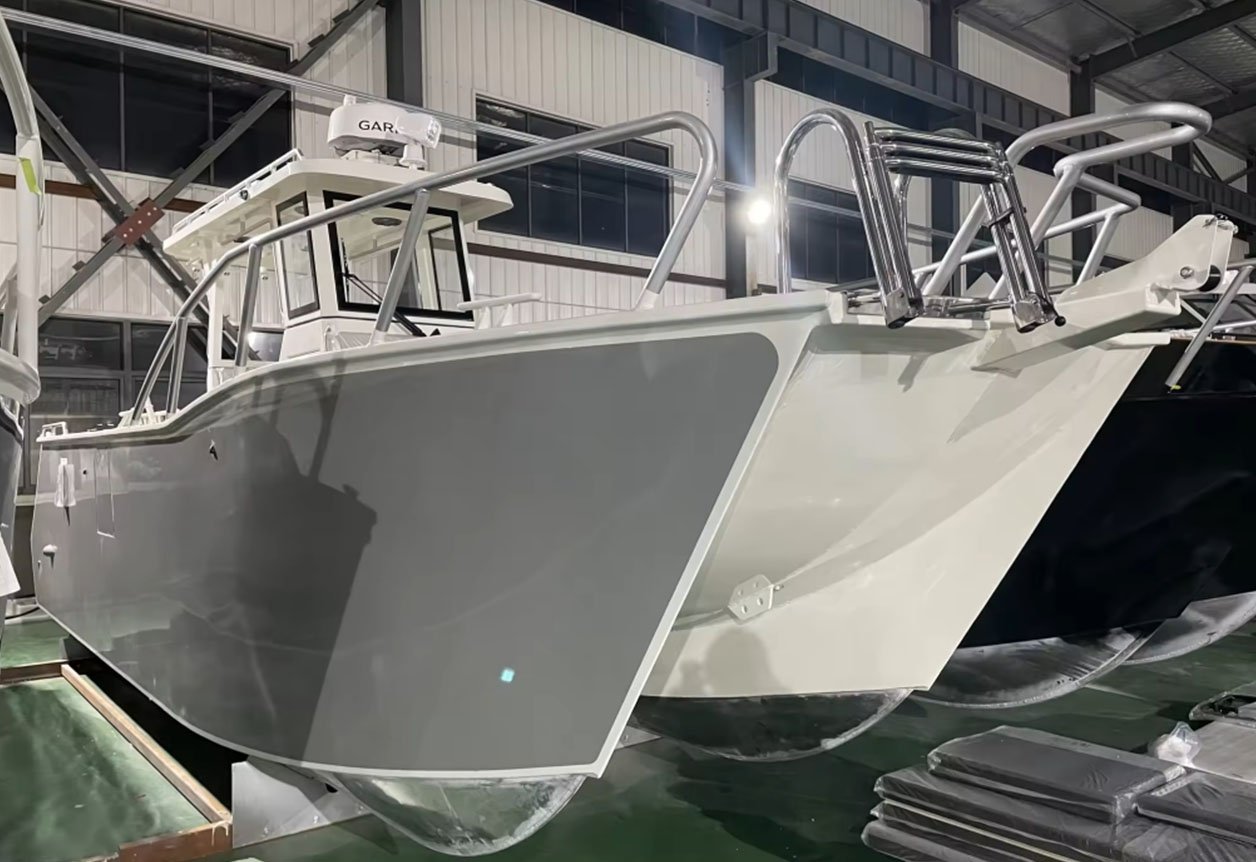
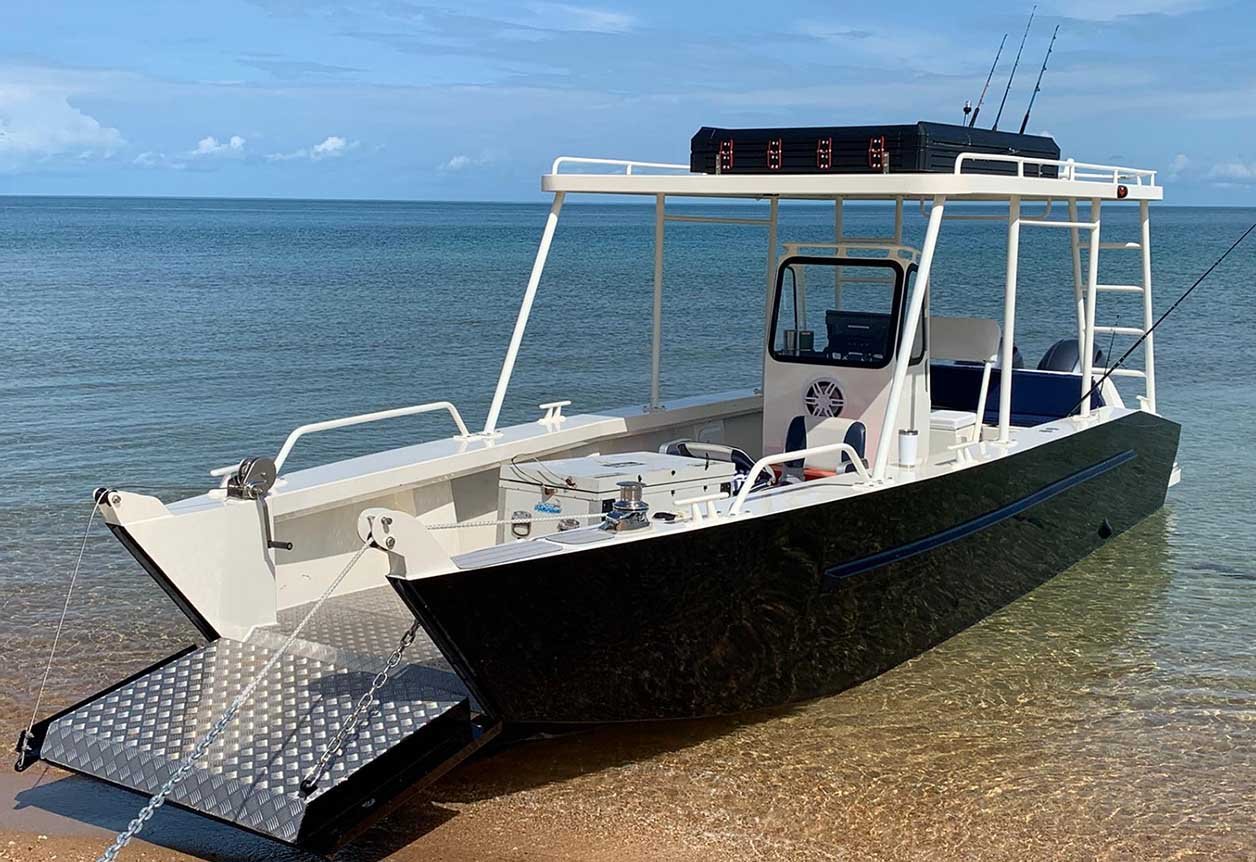
The anchor roller is the mounting bracket at the bow used to secure and guide the anchor. For Seaking aluminum fishing boats, there are two common options:
· Aluminum Anchor Rollers: A normal choice that offers a sleeker look and seamlessly matches the aesthetic of an aluminum hull, while providing similar functionality to plastic rollers.
· Trolling Motor Bow Mounts: The most versatile functional choice. Designed specifically for hard-hull boats equipped with trolling motors, these are typically suited for front-console fishing boats over 4.6 meters (15 feet) long.
⚓️ Step 2: Select the Appropriate Anchor Type
Different seabeds require different anchors to ensure optimal holding power:
· Claw / Bruce Anchor: The top choice for saltwater fishing. Known for setting quickly, it performs exceptionally well in sand, rock, and mixed bottoms. It also resets easily if the wind or tide shifts. Lightweight titanium versions are also available for small boats and inflatables.
· Fluke / Danforth Anchor: Lightweight with excellent holding power in sand or mud due to its wide flukes. Its flat-folding design makes it highly space-efficient for smaller fishing boats.
· Plough Anchor: Shaped like a farmer's plough, it buries itself when dragged. Highly reliable across various terrains including sand, mud, and even weedy bottoms, making it a popular choice for multi-purpose cruising vessels.
· Grapnel Anchor: Compact and often foldable, this anchor is ideal for hooking onto crevices in rocky reefs or serving as a secondary/backup anchor. However, it lacks holding power in pure sand or clay.
⚓️ Step 3: Pair Your Chain and Rope (Rode)
The combination of chain and rope directly impacts how well the anchor sets:
· Chain-to-Rope Ratio: It is highly recommended to attach a length of steel chain (typically 3 meters) between the anchor and the nylon rope. The weight of the chain helps keep the anchor shank horizontal so it can dig into the seabed, while its abrasion resistance protects against sharp rocks.
· Material Selection: For saltwater use, opt for stainless steel chain to prevent rust and corrosion; galvanized steel is a good cost-effective alternative. For the rope, high-strength nylon with some elasticity is preferred, as it absorbs shock loads from wind and waves.
· Scope Ratio: Always maintain a proper "scope" (the ratio of deployed rode length to water depth). In calm conditions, a minimum scope of 5:1 to 7:1 is recommended to ensure the anchor lays flat and holds securely.
⚓️ Step 4: Equip a Windlass
For larger aluminum fishing boats, manually hauling up a heavy anchor and chain can be physically exhausting. If your budget allows, installing an electric or manual windlass will significantly improve both efficiency and safety, allowing you to deploy and retrieve your anchor with ease.
�� Quick Tip:
If you primarily fish in coastal rocky areas, go with a Claw Anchor paired with a short length of chain. If you're navigating open sandy or muddy bays, a Fluke or Plough Anchorwill offer better value and performance. Always inspect your entire anchoring system for wear and tear before heading out to ensure a safe and stable stop every time!
