






Usage Recommendations for Aluminum Alloy Fishing Boats
Three Checks Before Launching
·Check the Hull: Walk around the boat, carefully inspecting the hull and sides for any obvious dents, scratches, or deformation. Most importantly, confirm that the drain plugs (bottom bolts) are tightened; this is a crucial detail often overlooked by beginners.
·Check the Power System: Check the outboard motor oil level, inspect the fuel lines for signs of aging or leaks, and remove any fishing line or debris that may be tangled in the propeller.
·Check the Battery: Ensure the battery is fully charged, and check that the terminals are secure and free from looseness or corrosion.
Navigation and Fishing Precautions
·Weight Balance: Aluminum alloy boats are lightweight and very sensitive to weight distribution. Personnel and fishing gear should be evenly distributed, avoiding congestion at the bow or one side to prevent severe tilting or capsizing.
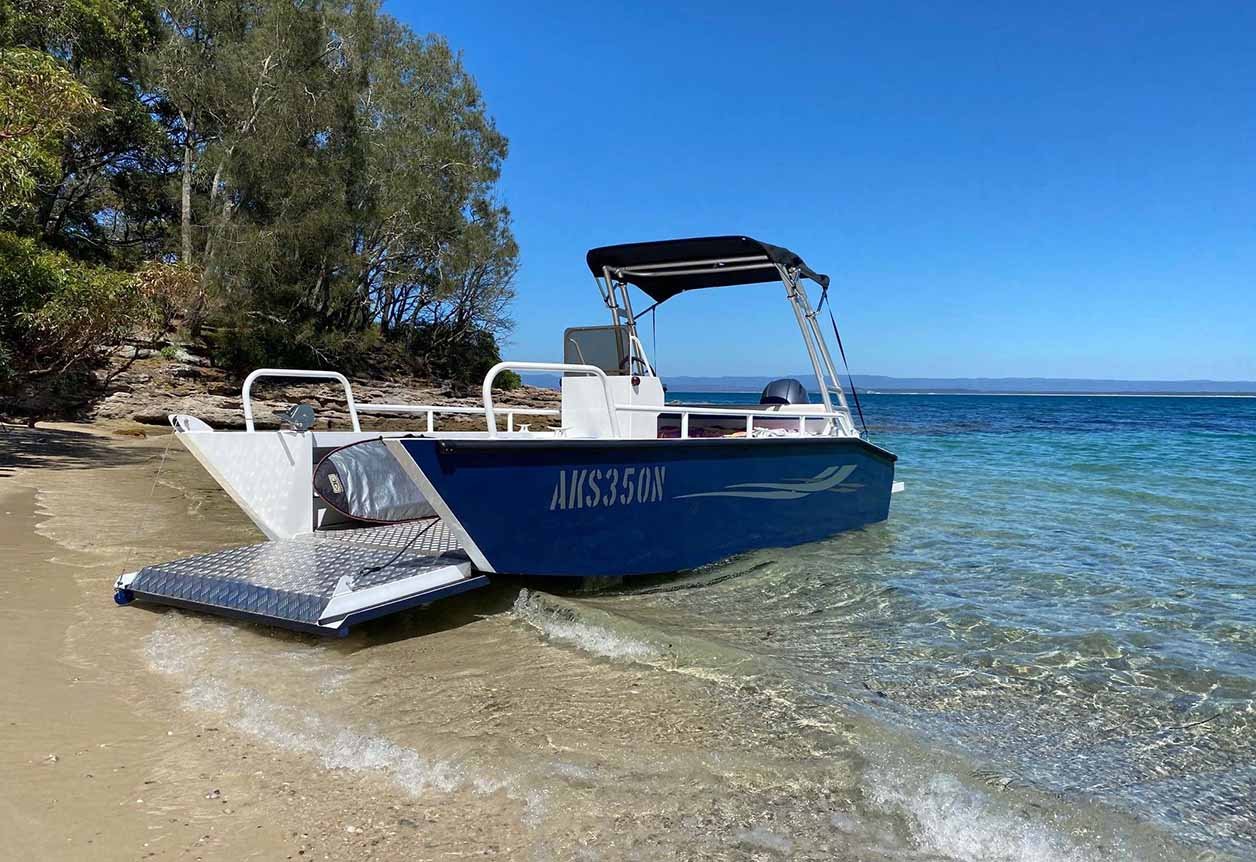
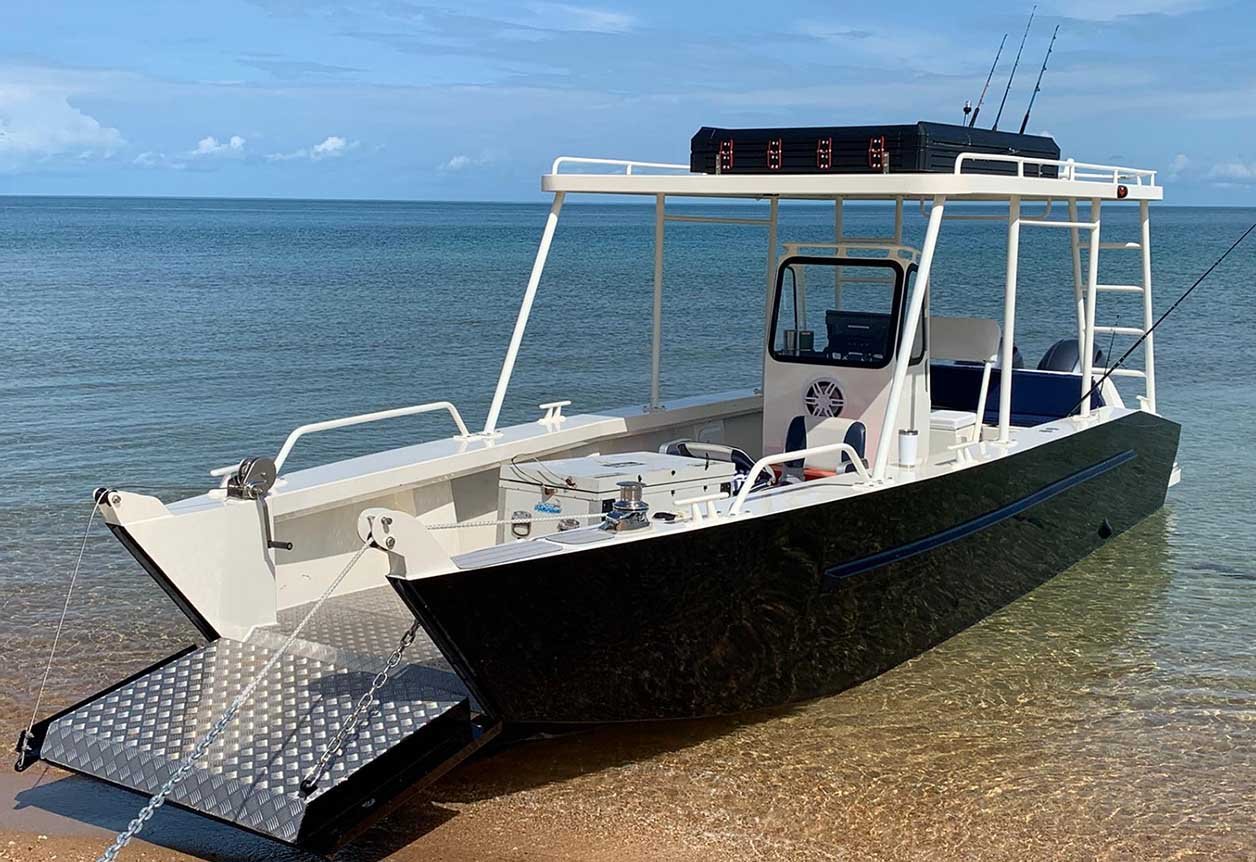
·Shallow Water Advantages: Aluminum alloy boats have a shallow draft, making them ideal for fishing deep in reef areas or shallow waters. However, extra caution is needed when beaching at high speeds or running aground at low tide. Although aluminum has a certain degree of toughness, a violent impact with hard rocks can still cause dents.
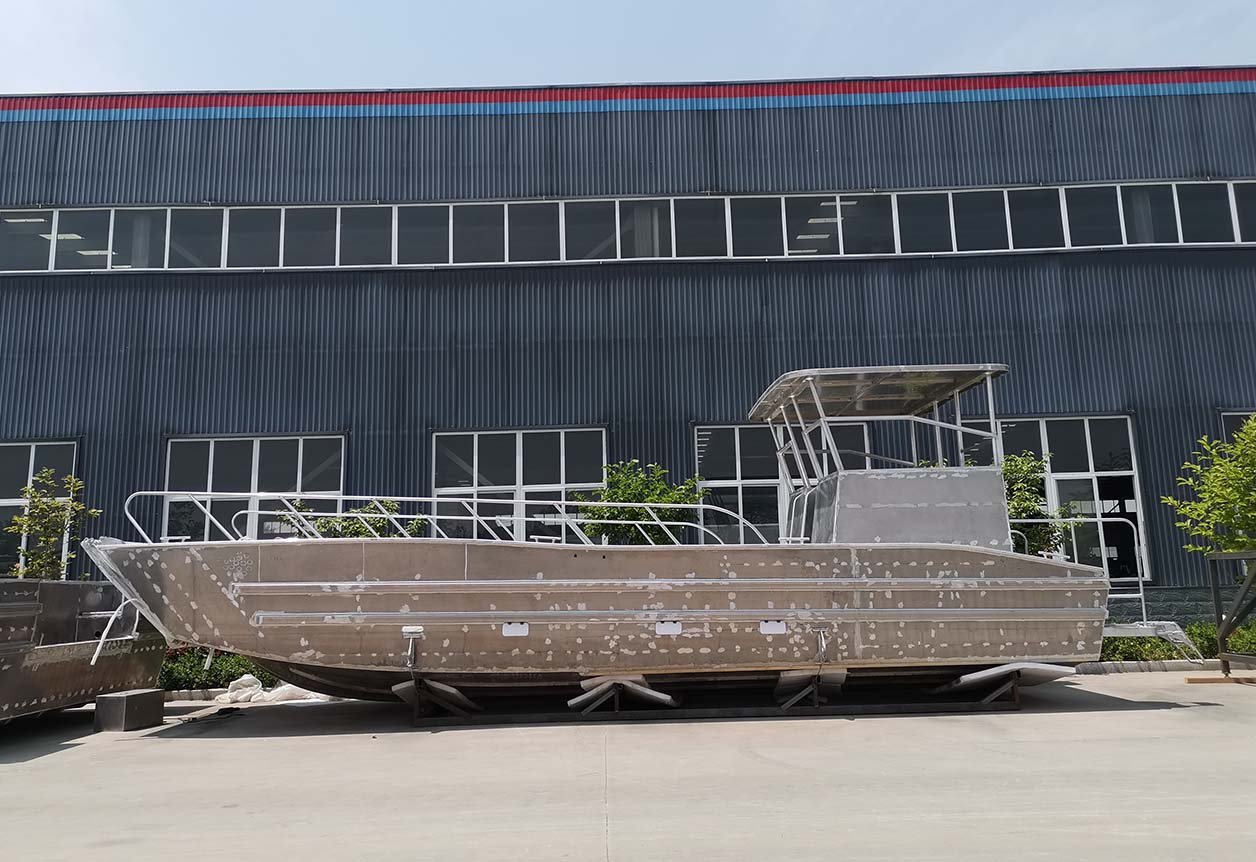
·Weld Point Protection: When using sinkers or metal tools, avoid directly striking the bottom plate to prevent damage to the oxide layer or protective coating.
Reaching and Towing
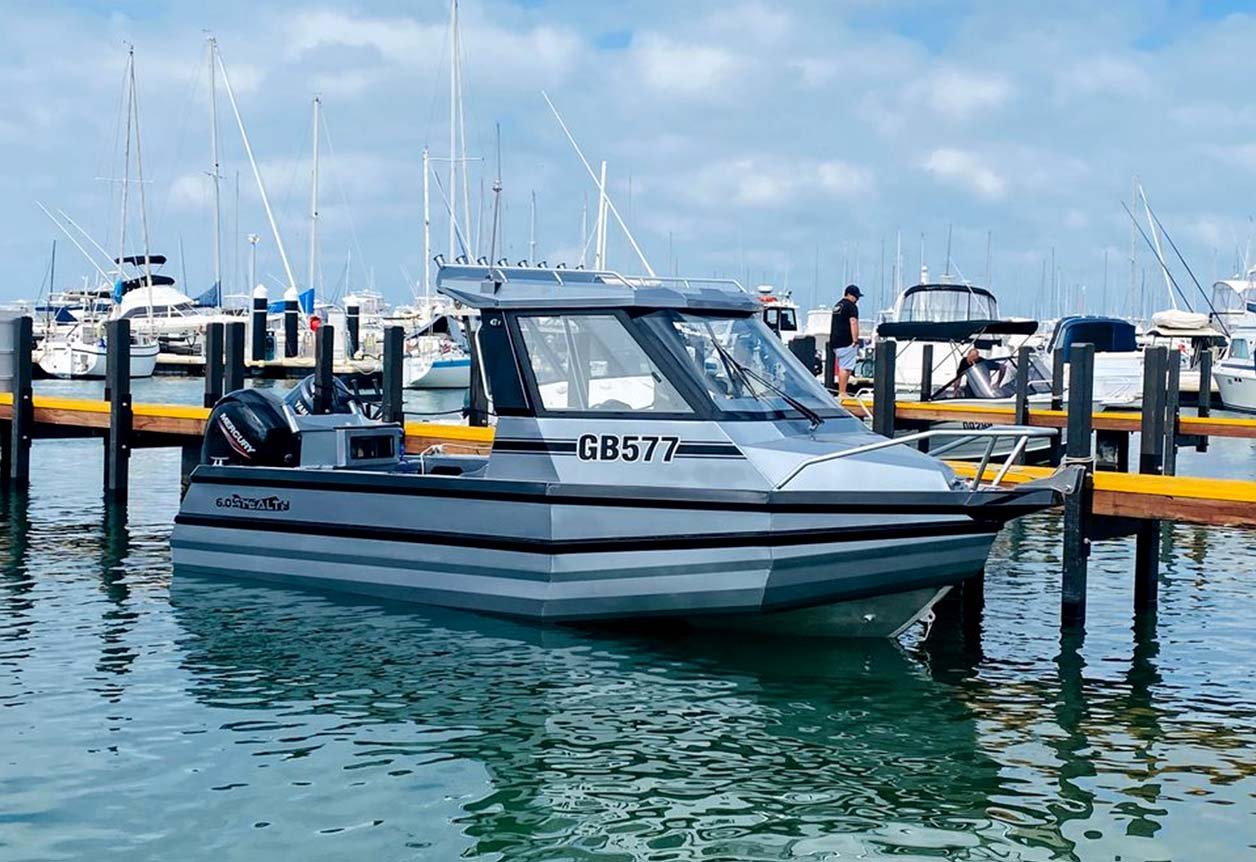
·Slow Down: Always slow down before approaching the shore or dock. Although aluminum alloy is sturdy and durable, a high-speed collision with the dock can still cause deformation.
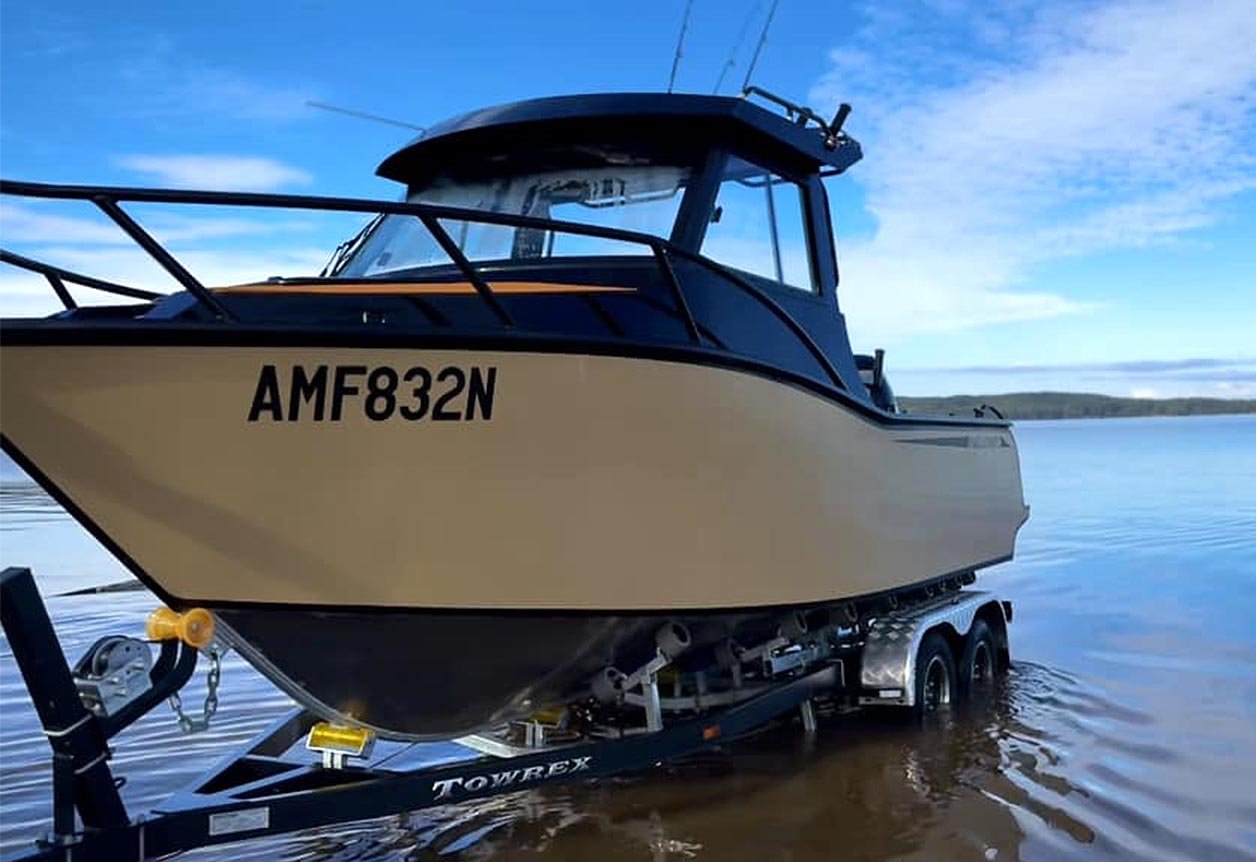
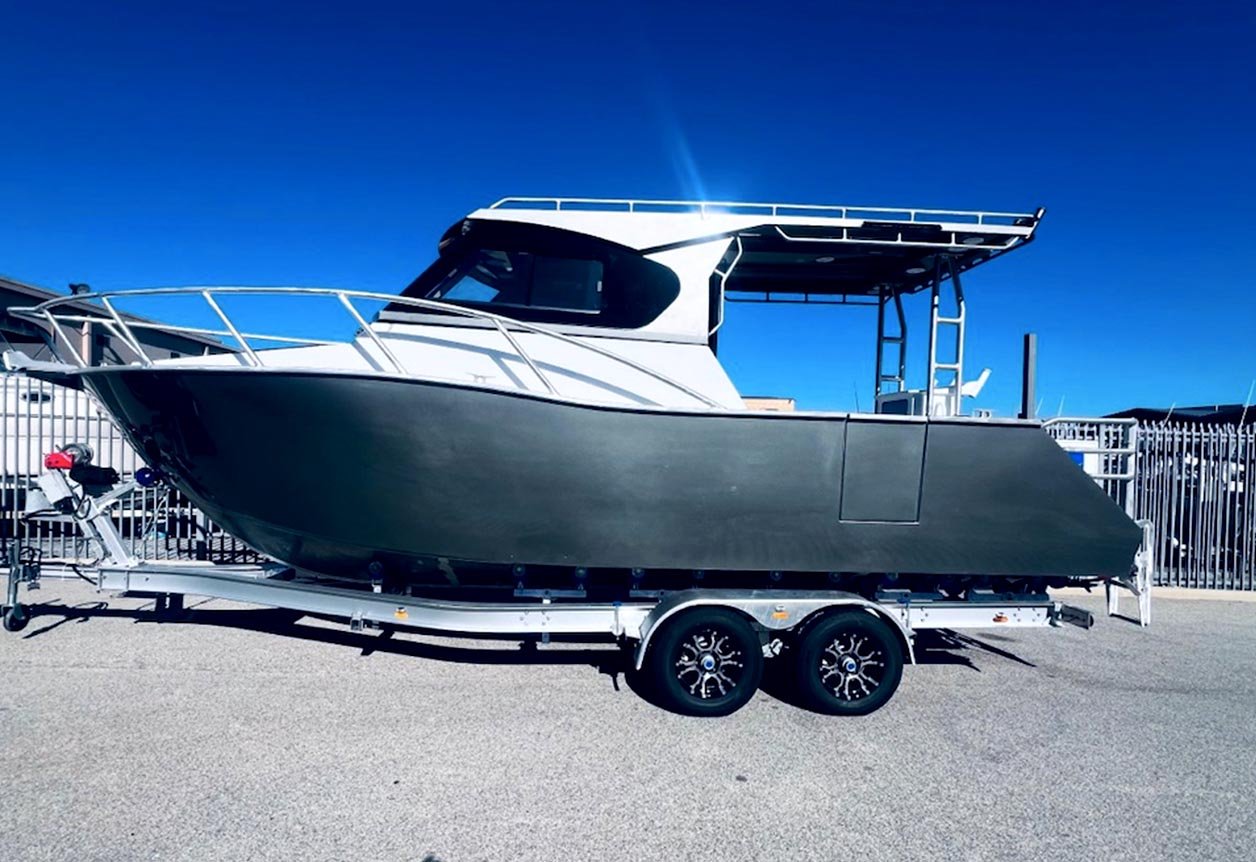
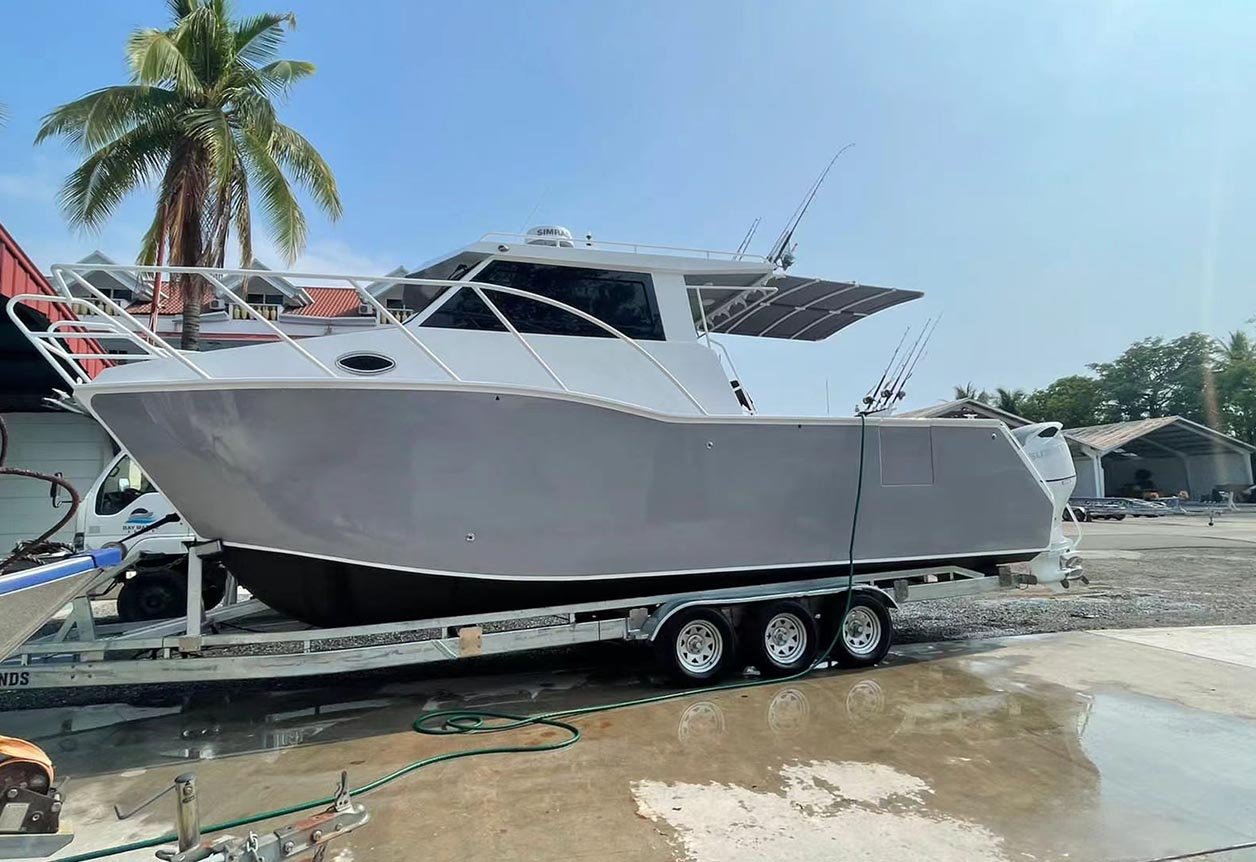
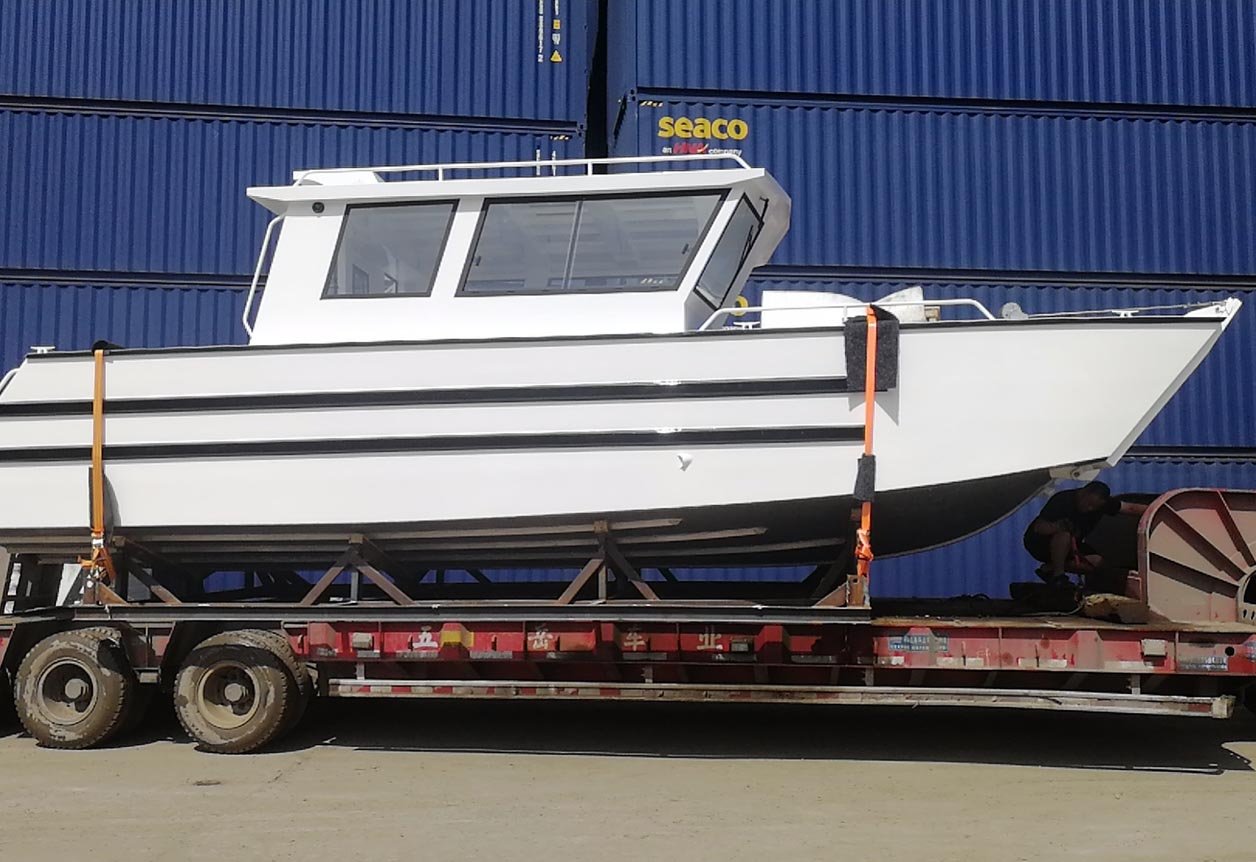
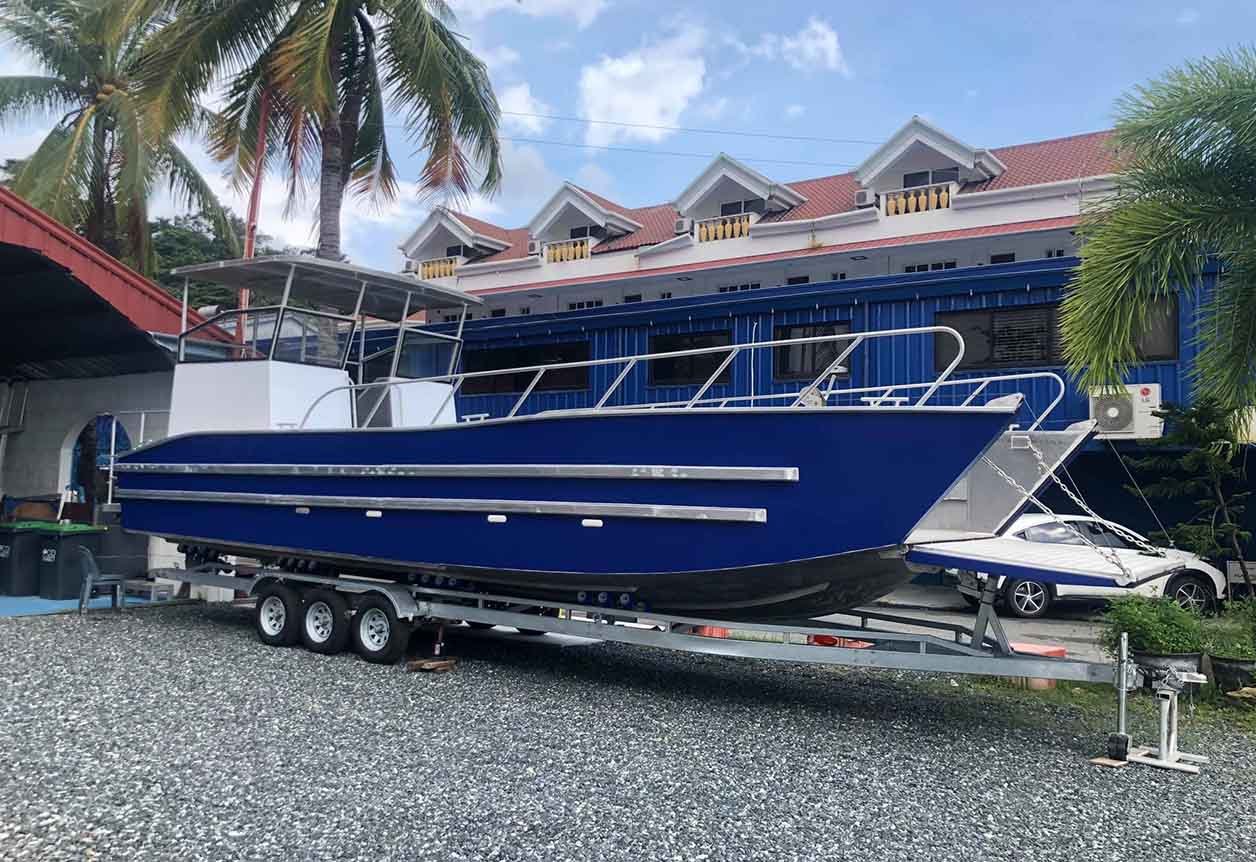
·Towing: When using a tow truck, ensure the rollers or pads are correctly positioned to avoid excessive localized stress that could cause dents in the bottom.
Special Reminder: Prevent Electrochemical Corrosion
·When installing electrical appliances (such as fish finders, batteries, and stainless steel handrails) on an aluminum alloy boat, ensure proper insulation.
·Never screw stainless steel screws directly onto aluminum plates (insulating washers must be used in between).
·Direct contact between different metals in seawater will generate an electric current, causing the aluminum plate to quickly perforate (similar to a battery).
As long as you do a good job of "frequent rinsing" and "regular replacement of zinc blocks," a high-quality aluminum alloy fishing boat can easily accompany you on your fishing expeditions for one or two decades. Wishing you calm seas and a bountiful catch on every voyage!
